Introduction
THE MODERN CHALLENGES FACING BRITAINS TOWNS & VILLAGES
(WHY WE NEED SOME EVERYDAY MAGIC)
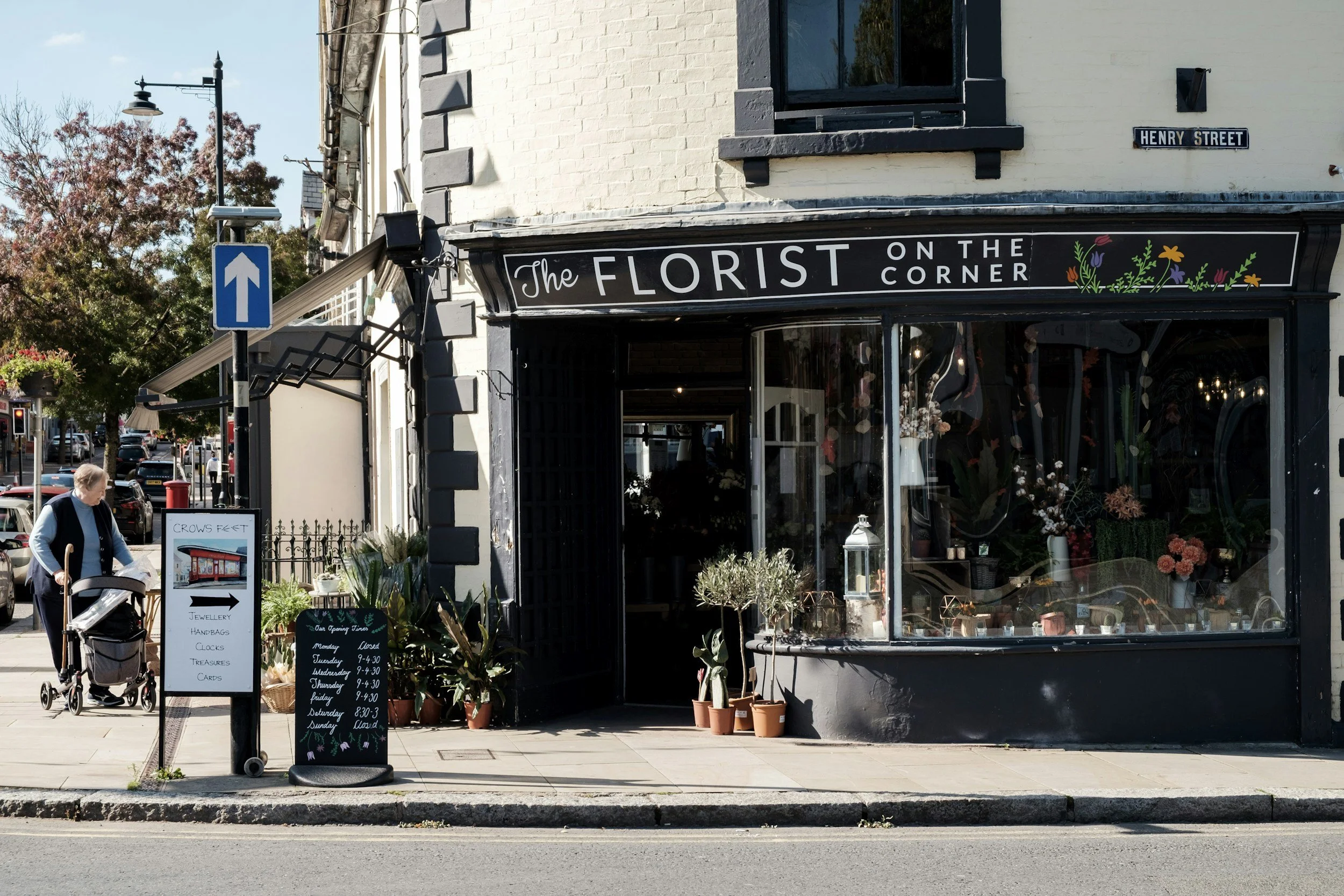
Historic towns and villages across Britain were once bastions of our unique island culture. In the 50 years since 1975, successive Conservative and Labour governments, supported by policymakers and planners allowed neo-liberalism to decimate the economics that underpinned their existence.
Deregulation and relaxed planning controls prioritised large-scale supermarkets and other retail investment outside of town centres - consumer spending followed. This went hand in hand with the rise and rise of the motor car. The British ‘love affair with cars saw private ownership quadruple over 50 years, from 11 million in 1975 to 43 million in 2025. At the same time, for reasons which are beyond the scope of this investigation, average weekly attendance at Church of England churches reduced by at least 60%. In its Good Beer Guide of 2017, CAMRA highlighted that Britain had lost 28,000 pubs since the 1970s. The social fabric of our towns and villages is under threat. Watch Film.
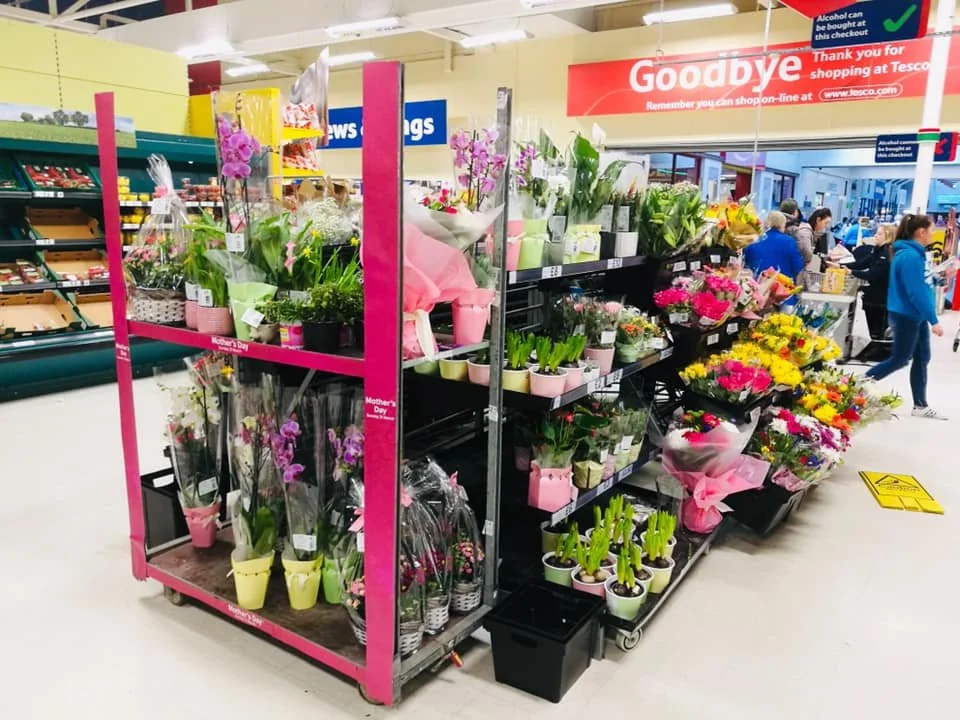
Every Little Helps progress the share price: championed by government for 40 years, supermarkets have drained every drop of economic and the associated cultural life from British communities.
Some may argue the positives; perhaps Britain became more economically dynamic, free to travel, liberal and healthier. But when you conflate these challenges with those presented by immigration and an aging population to our habitual consumption of digital and social media, it is easy to make the case that civic life of our towns and villages is at a low ebb - it has not just changed rapidly and immeasurably but for the worse, evidenced in the rise of right wing politics sweeping councils and threatening centrist national governance.
In her book, Feminism Against Progress, English Author and commentator Mary Harrington describes a process of “Liquification” in which capitalism and technology has dissolved the "meaningful constraints" of everyday life, leaving individuals “free, but atomised, commodified, and lonely”. [1]
Harrington describes the change from the ‘solid to the liquid era’. In the solid era, pre-industrial society was defined by “obligations to family & community”. Life was deeply rooted in place and a sense of mutual interdependence.In the liquid era, everything that was "solid" including gender, marriage, community is being "liquified" into a set of choices, commodities, or data points. This process of liquification, which encompasses digitisation of many aspects of life “replaces deep, permanent social ties with frictionless market transactions”, often at the expense of human relationships and social stability.
Consistent with Harringtons analysis, on the 15th of December 2025 the chief of MI6, Blaise Metreweli described how “the foundation of trust in societies are eroding” as a result of weaponisation of information. “Falsehoods spread faster than fact dividing communities and distorting realities. We live in an age of hyper-connection, yet profound isolation”. [2] Disconnection has now become an issue of national security.
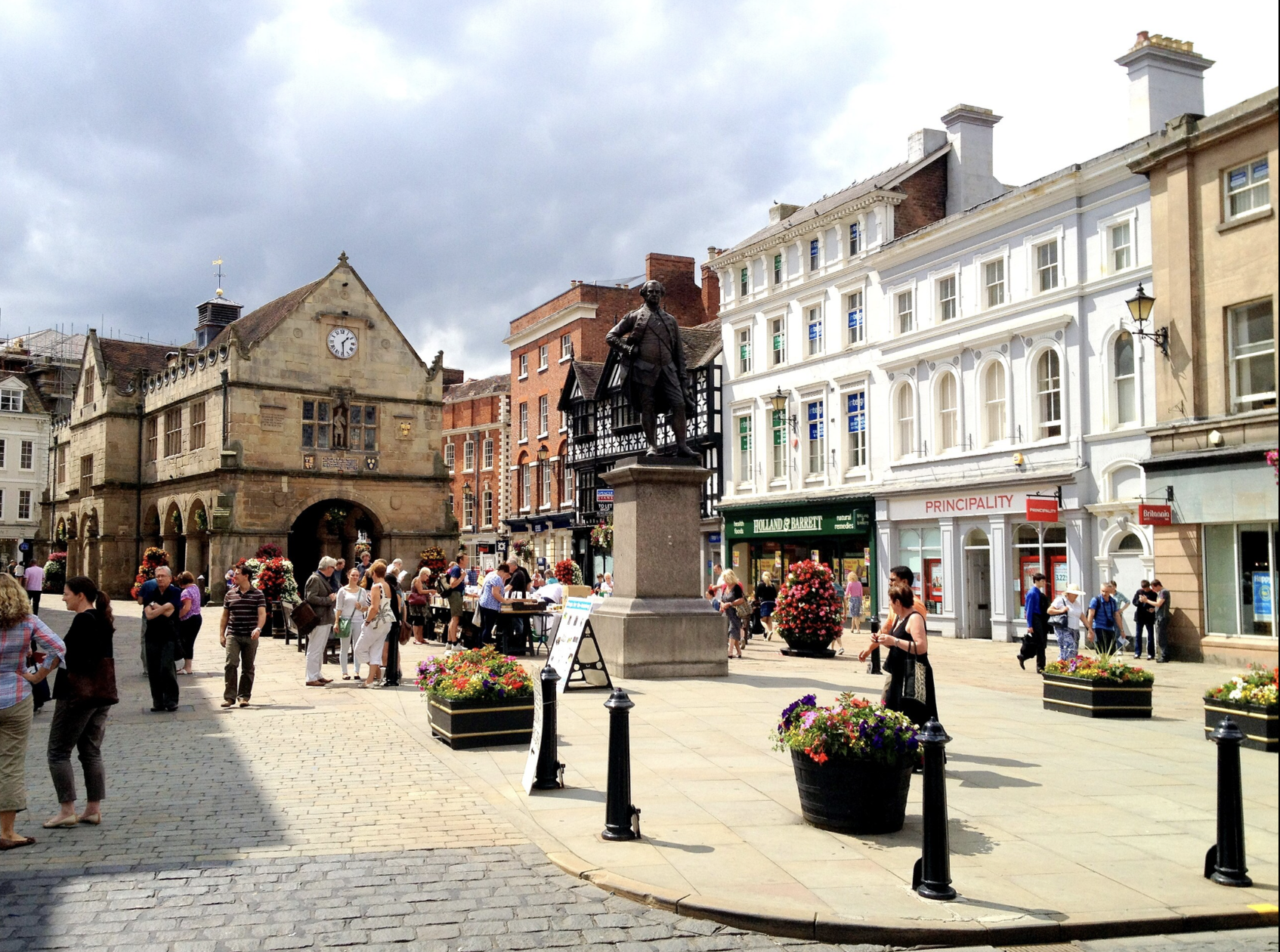

Shrewsbury Town Square & X (formerly Twitter). X missing the point with an ‘Upgrade to premium’ for the best town square experience. Which community should you trust?

Malign state and non state actors are using all levers available to them to manufacture discontent in Britain.
Harrington & Metreweli’ analyses could also be dismissed as traditional English conservatism, ludditism or fear mongering but the phenomena arrives at a time when a host of highly destabilising global challenges face Britain;
3 degrees of climate change, the potential for mass unemployment and an undemocratic acquisition of power by overseas AI companies and a tepid war on European liberal democracies, now abandoned by the US adminstration.
In this context, I propose that Urban Design has a major role addressing challenges beyond the aesthetic or functional but also improving our security, raising standards of living, developing shared community wealth, embedding physical resilience, building community pride and engendering trust between people.
Urban Design should seek to reconnect bonds of communities which neo-liberalism loosened and the internet severed.
Elon & Vlad have their work cut out if Fireworks night in East Hoathly is anything to go by.
Urban Design must respond to external security challenges by adjusting the physical nature of our towns and villages - reshaping places to help communities forge connections through positive civic participation and by rebuilding and recirculating community wealth.
Thriving public and civic realms manifest positive environmental, political, social and economic futures and builds resilience.

“security doesn’t come from the top, down, but from the bottom, up... ultimately our security rests in our social fabric. ”
[1] Harrington, Mary. Feminism against Progress. London: Swift Press, 2023